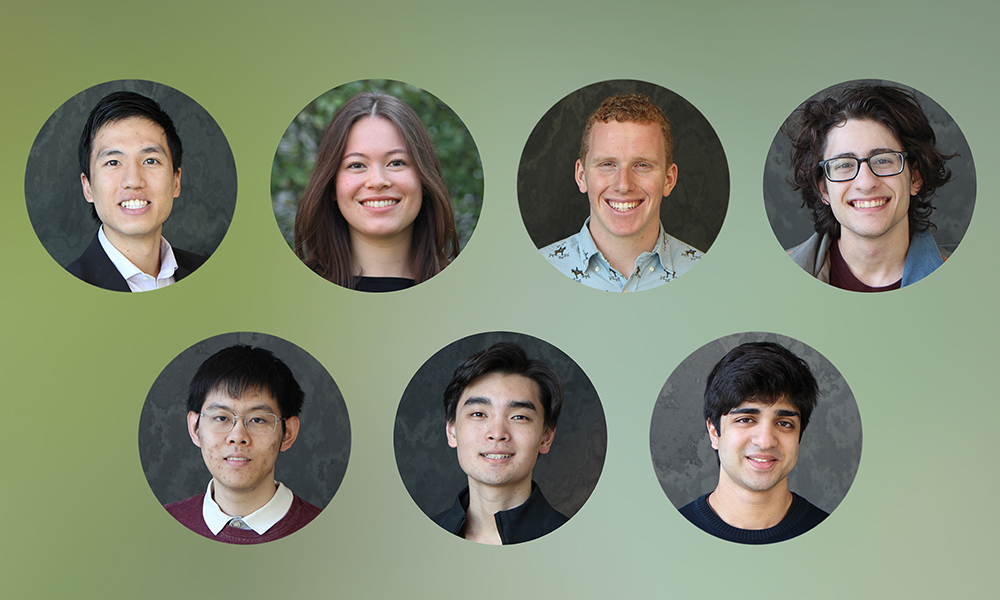

We are thrilled to announce that seven outstanding Harvard College juniors concentrating in Molecular and Cellular Biology (MCB), Chemical and Physical Biology (CPB), and Neuroscience have been elected to the Alpha Iota Chapter of Phi Beta Kappa, the nation’s oldest and most prestigious academic honor society. These students were selected for their exceptional academic achievements and broad intellectual pursuits across disciplines.
Congratulations to our junior Phi Beta Kappa inductees: Aran Sonnad-Joshi (Social Studies/MCB), Jeffrey Qi (MCB/Economics), Nicholas Dang (CPB/Statistics), Cindy DeDianous (Neuroscience/Economics), Rafael Jacobsen (Physics/Computational Neuroscience), Christopher Shin (CPB, Government), and Hunter Haynes (Government/History & Literature).
Aran Sonnad-Joshi is pursuing a double concentration in Social Studies and Molecular and Cellular Biology, with a secondary in Classical Civilizations. His research focuses on substance use disorders, health equity, and protein engineering. At the Institute for Protein Innovation, he contributes to the development of antibodies targeting neurological proteins. This summer, he will study adolescent substance use disorders at Mass General Brigham while also conducting senior thesis research in Washington, D.C. “I’m especially interested in how scientific advances can be translated into more equitable healthcare solutions,” he says.
Jeffrey Qi is double-concentrating in Molecular and Cellular Biology and Economics, with interests spanning cancer biology, public health, and health economics. In the Joan Brugge Lab at Harvard Medical School, he studies oxidative stress in chemoresistance in ovarian cancer, while also conducting economic research with Professor Edward Glaeser. “I’m passionate about understanding disease at a molecular level while also exploring how economic structures and policy can shape health outcomes,” he says.
Nicholas Dang is pursuing a joint concentration in Chemical and Physical Biology and Statistics, with a language citation in Spanish. In the Curtis Huttenhower Lab at the Harvard T.H. Chan School of Public Health, he studies microbial expression in the gut microbiome and its relationship to inflammatory bowel disease. “Combining statistics with biology has allowed me to approach real-world problems in a more integrative way,” he says. “I hope to bridge the gap between research and medicine and drive meaningful improvements in health outcomes.”
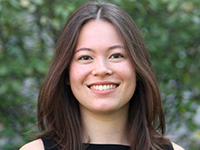
Cindy DeDianous is concentrating in Neuroscience and Economics and is currently studying abroad at the University of Oxford. Drawn to neuroscience for its interdisciplinary nature, she applies its lens across a wide range of fields, from behavioral economics to representations of consciousness in literature. She is particularly interested in the intersection of healthcare and business, as well as how scientific innovations can be translated into accessible therapies. At Regeneron’s Genetic Medicines department, she contributed to the development of AAV-based therapies for neurological disorders that can be delivered across the blood-brain barrier. After graduation, she plans to work in life sciences consulting before pursuing medical school. “I’m fascinated by how scientific discoveries can be translated into therapies that meaningfully impact patients’ lives,” she says.
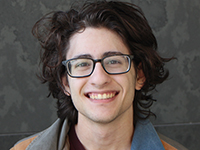
Rafael Jacobsen is concentrating in Physics and Computational Neuroscience. He developed an early interest in neuroscience through research in the lab of Aravinthan Samuel, where he studies decision-making in C. elegans thermotaxis. “That early experience in the lab sparked my interest in neuroscience,” he says. “I’m especially grateful for the opportunity to pursue
independent research and explore questions that genuinely excite me.”
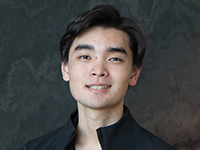
Christopher Shin is a double concentrator in Chemical and Physical Biology and Government with a secondary in Music, with academic interests spanning infectious disease epidemiology, viral genomics, and global health. His work bridges scales from phylodynamics to the policy systems that shape outbreak response. In the Pardis Sabeti Lab at the Broad Institute, he
conducts research in genomic epidemiology and infectious disease modeling, including projects on Ebola, Mpox, and SARS-CoV-2. He also collaborates with the NIH Fogarty International Center and the Harvard Global Health Institute on disease modeling and global health research. This summer, he will continue his thesis research at the Sabeti lab. “I’m especially interested in integrating genomic science with real-world public health response,” he says. Outside the lab, he is an avid classical pianist and jazz trumpet player.
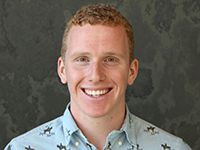
Hunter Haynes is concentrating in Government and History & Literature, with a regional focus on the Pacific, where his academic interests include colonization and decolonization, great power competition, and Indigenous sovereignty. While not an MCB concentrator, Hunter is a familiar face in the department through his work with MCB Graphics, where many in the community may know him from printing scientific posters or assisting with news photography. Outside of MCB, he volunteers at the Harvard Square Homeless Shelter and in Chinatown as an after-school teacher. This summer, he will serve as supplies director at the shelter and conduct archival research in the Netherlands. “I’m deeply interested in how historical and political forces shape communities and lived experiences,” he says. “Whether through research or public service, I hope to contribute to more equitable and informed policymaking.”