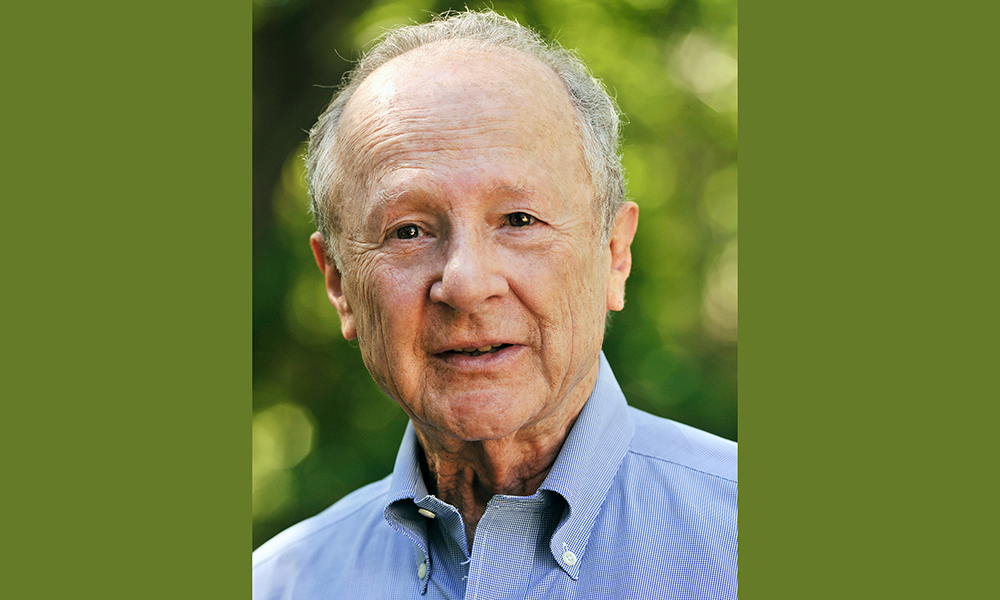
Matthew Meselson faculty profile
100 years biochemical sciences tutorial


Sensory systems evolve to detect and transduce stimuli that are most relevant to an animal’s physiological or behavioral context. Ancient cartilaginous fishes, such as sharks, skates, and rays,…

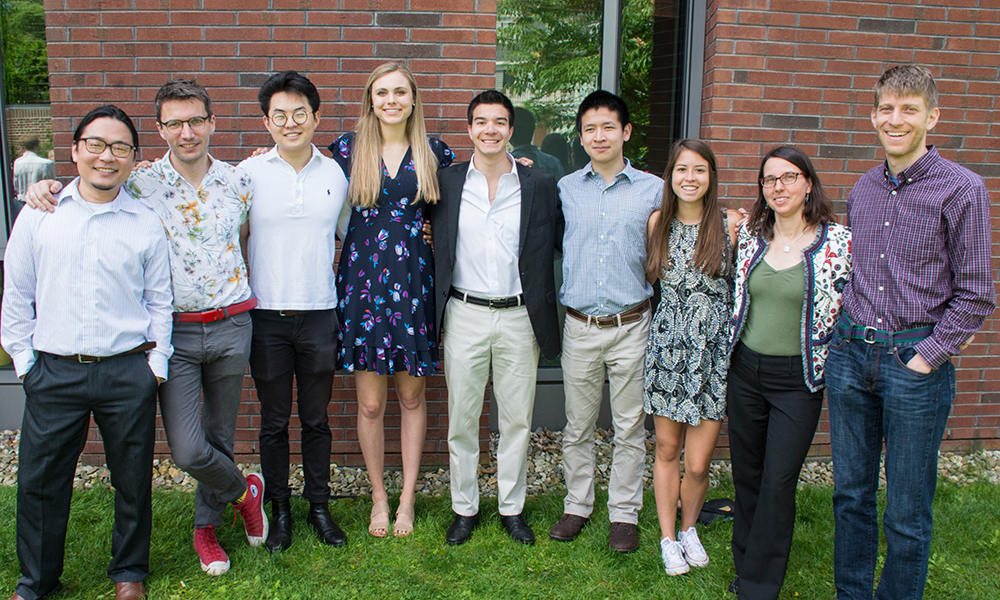
Five MCB seniors have been recognized for their outstanding work on their theses. Richard Ng’s thesis garnered the 2018 Lawrence J. Henderson Prize, an annual award given out…


MCB and SEAS assistant professor Doeke Hekstra has been chosen as a 2018 Searle Scholar. Each year, the Searles Scholar Program--administered by the Kinship Foundation and funded by…
Predicting future rewards depends critically on beliefs about the current state of the world. For example, suppose you go to a restaurant with two chefs, one who you’ve…


Professor Hopi Hoekstra, a faculty member with a joint appointment to the MCB and OEB departments, has been elected to the prestigious American Philosophical Society (APS). Hoekstra is…
MCO students Felix Barber and Gal Lumbroso have been awarded prestigious fellowships that will support their future research. Barber, a joint student in the Amir and Murray labs,…


Norma Hylton (class of ‘18) has won this year’s John E. Dowling Thesis Prize. This award is given to one undergraduate student each year who has demonstrated exceptional…
Neurobiology concentrator Isa DeLaura (‘18) has been awarded a Fulbright Research Grant to support her research in Montería, Colombia. DeLaura will spend next year studying hantavirus, a rodent-borne…
