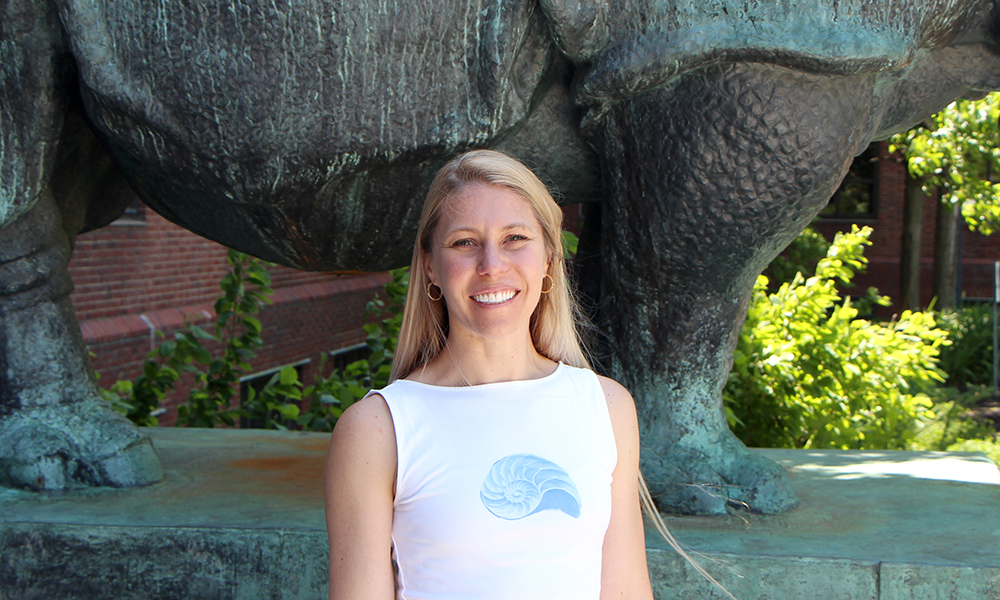
Tien Nguyen, a fifth-year MCO graduate student, has received an NIH F31 fellowship to investigate how bacteria coordinate the final stages of cell division, research that could uncover…

100 years biochemical sciences tutorial


Tien Nguyen, a fifth-year MCO graduate student, has received an NIH F31 fellowship to investigate how bacteria coordinate the final stages of cell division, research that could uncover…
For MCB postdoctoral researcher Colin Kim, studying plants means discovering what talented chemists they can be—and learning how their molecular machinery might be harnessed to make medicines. Kim,…
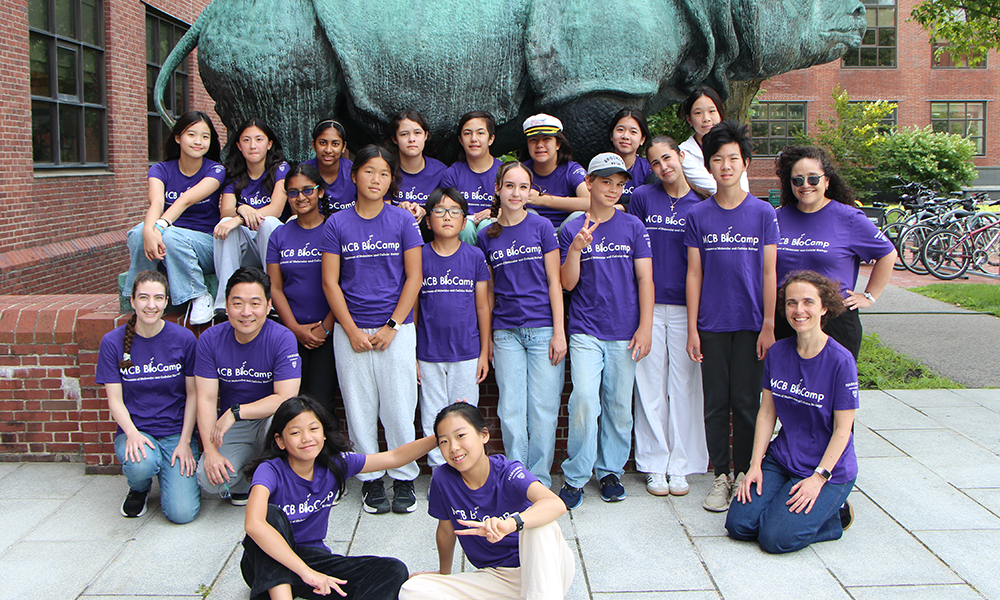
For the middle-school students who attended Harvard MCB’s inaugural BioCamp this summer, learning biology meant doing biology. Campers grew bacteria, peered through microscopes, dissected sheep brains, tested favorite snack…
For students interested in science, getting started in a research laboratory can be daunting. Finding a lab, approaching a faculty member, designing experiments, and even knowing what questions…
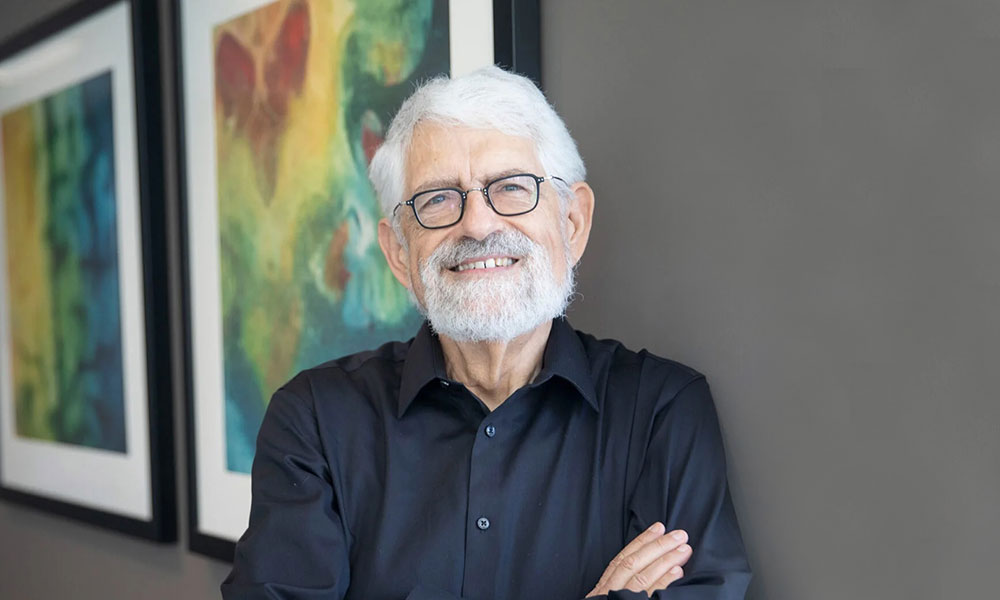
Haim Sompolinsky, Professor of Molecular and Cellular Biology and of Physics in Residence, has been awarded the 2026 Dirac Medal, one of the most prestigious international honors in…
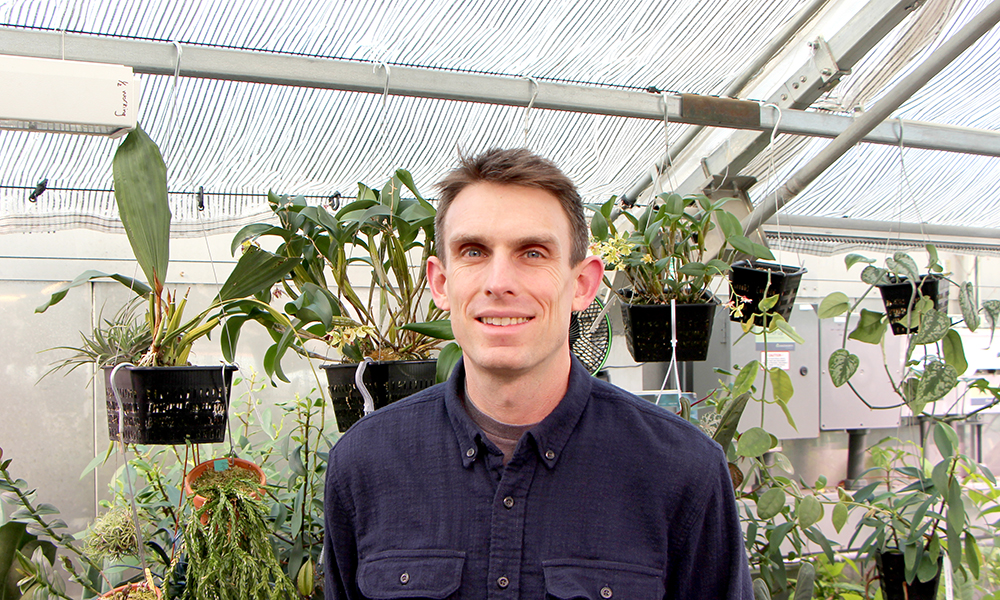
How do plants that first appeared hundreds of millions of years ago produce molecules that may one day help treat human disease? That question is at the heart…
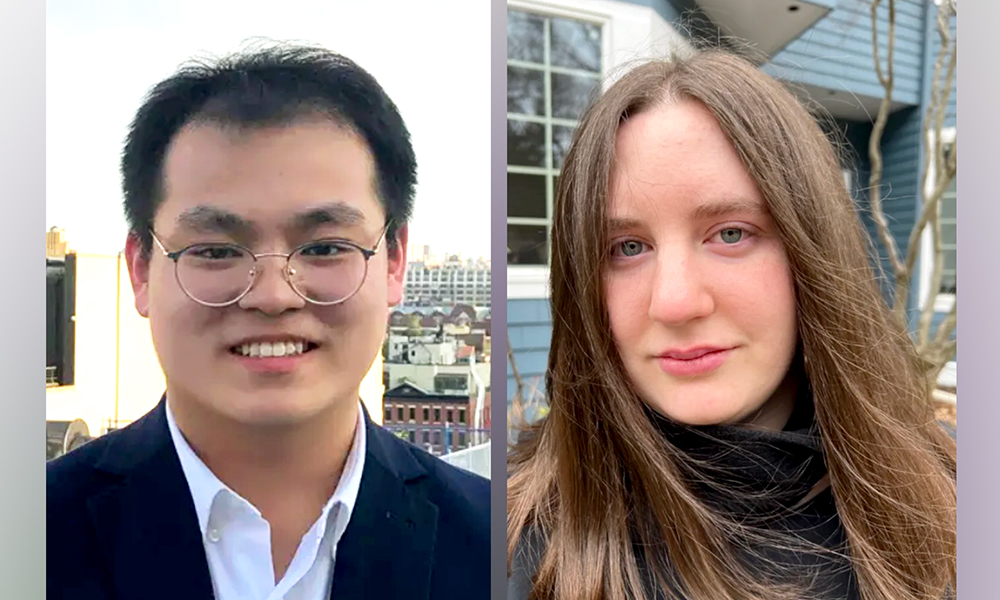
Congratulations to Virgil Guo ’28, a Statistics and Molecular and Cellular Biology (MCB) double concentrator, and Melany Hirsh ’27, a Neuroscience concentrator, who were among five Harvard College…
Sometimes, groundbreaking discoveries begin with what looks like a failed experiment. Researchers in the lab of MCB Professor Nicholas Bellono have discovered that octopuses possess a unique structural…
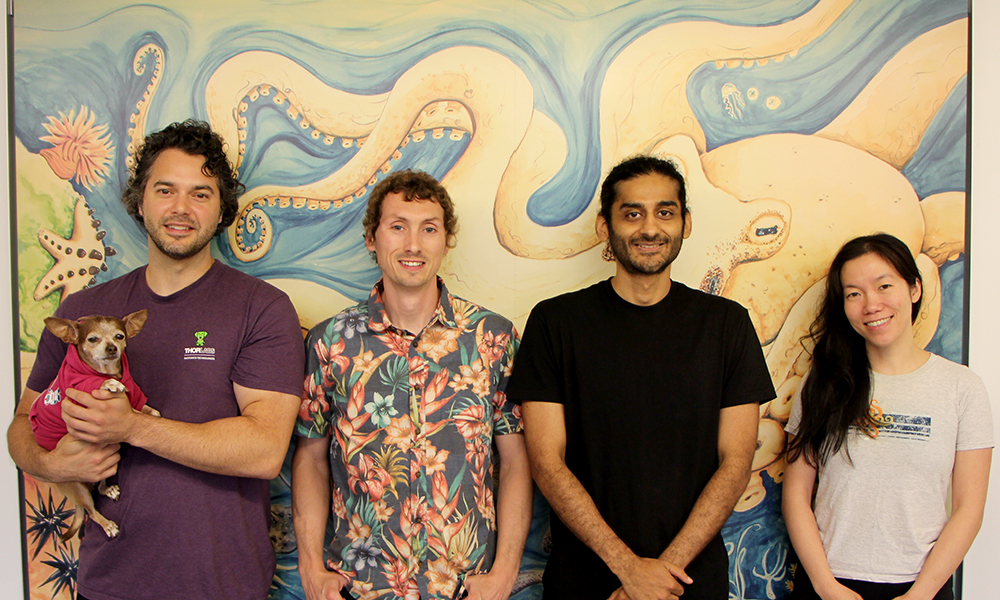
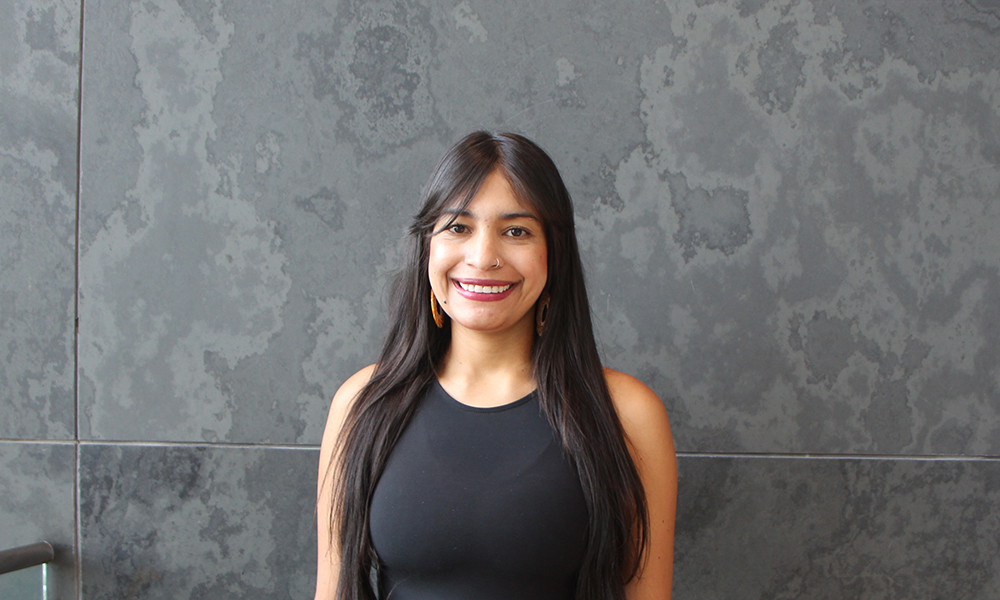
Wendy Valencia-Montoya, a Junior Fellow in the Harvard Society of Fellows affiliated with the lab of MCB Professor Nick Bellono, has been awarded two of the most coveted…
Rebecka Sepela, a postdoctoral researcher in Nicholas Bellono’s MCB lab, has received an NIH Pathway to Independence (K99/R00) Award to study how animals derive information from their external…