I am old enough (born in 1943) and the field of molecular biology is young enough (it too was born in 1943) that I lived through the entire…

100 years biochemical sciences tutorial


I am old enough (born in 1943) and the field of molecular biology is young enough (it too was born in 1943) that I lived through the entire…
The Harvard Gazette recently featured Bellono Lab research on piranha feeding habits in an article titled “They’re less terrifying than you think — but still, those teeth”. The…

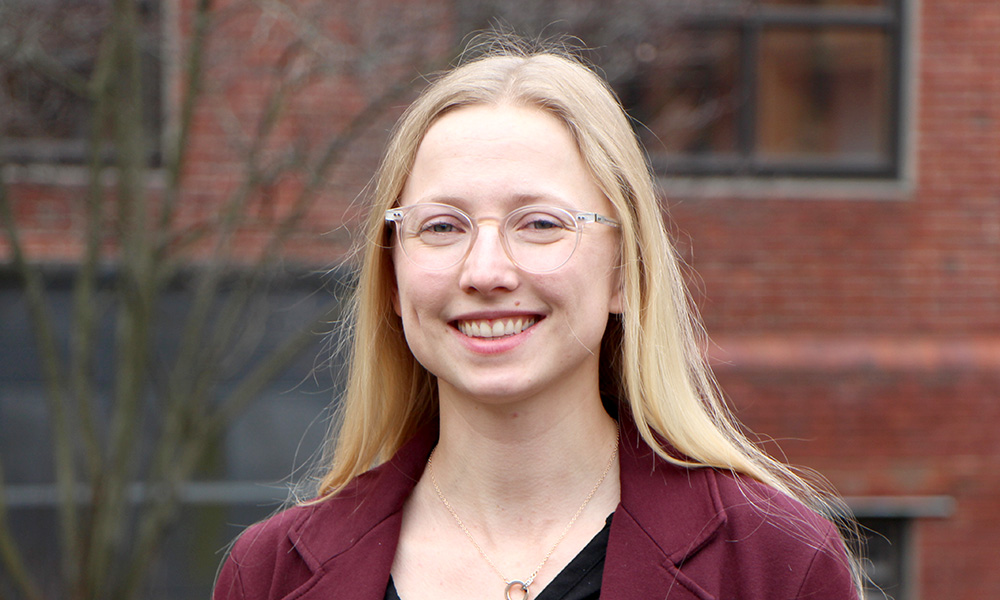
Graduate student Kate Shulgina has spent six years in the Eddy Lab developing a computational tool called Codetta that predicts variations in the genetic code that cells use…
We are delighted to have Mario Capecchi return to Harvard as the Paul Doty Lecturer. Mario completed his PhD. in the Biological Laboratories in 1967 with Jim Watson…


Neuro alum Oliver Sussman (‘21) has received a Fulbright Scholarship in support of cognitive neuroscience research that he will pursue in Luca Bonatti’s lab at Universitat Pompeu Fabra…
[caption]April 26, 2022[/caption]


This event—featuring food, beverages, music, games, and coronavirus-shaped piňatas—will take place in the BioLabs courtyard from noon until 4:00 pm on May 4. Everyone in the MCB community–CPB,…


MCB faculty Venki Murthy, along with neuroscientists Grace Schennato Pereira Moraes and Marcio Moraes at Universidade Federal de Minas Gerais (UFMG) in Brazil, is part of a collaboration…
In a new paper published in eLife, my colleagues in the Denic Lab and I investigated how budding yeast (S. cerevisiae) breaks down damaged peroxisome organelles through a…
