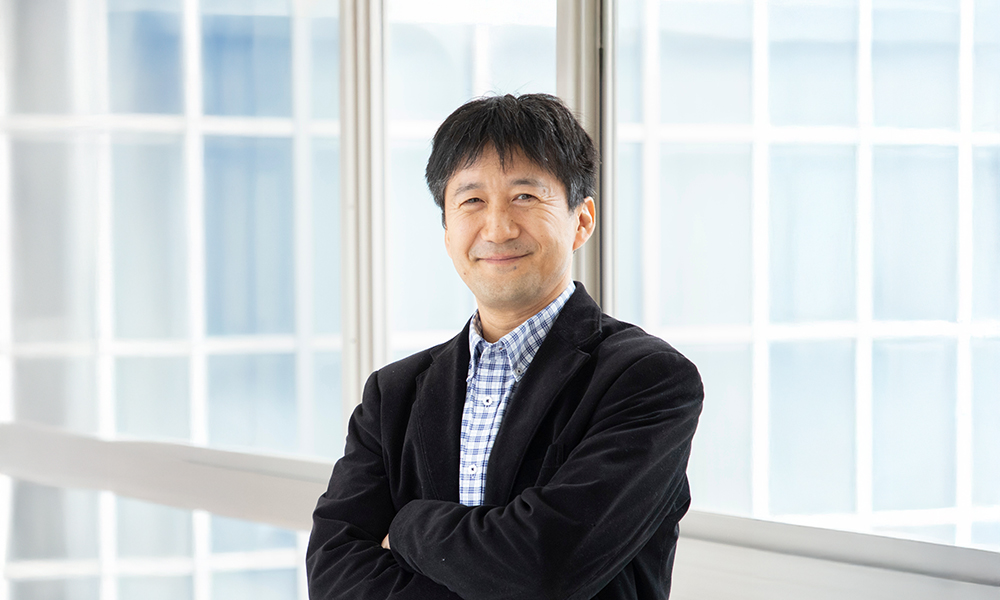
Maxim Prigozhin, Assistant Professor in MCB and Applied Physics, has been awarded the 2026 Maximizing Innovation in Neuroscience Discovery (MIND) Prize for a bold proposal to transform how…

100 years biochemical sciences tutorial


Maxim Prigozhin, Assistant Professor in MCB and Applied Physics, has been awarded the 2026 Maximizing Innovation in Neuroscience Discovery (MIND) Prize for a bold proposal to transform how…
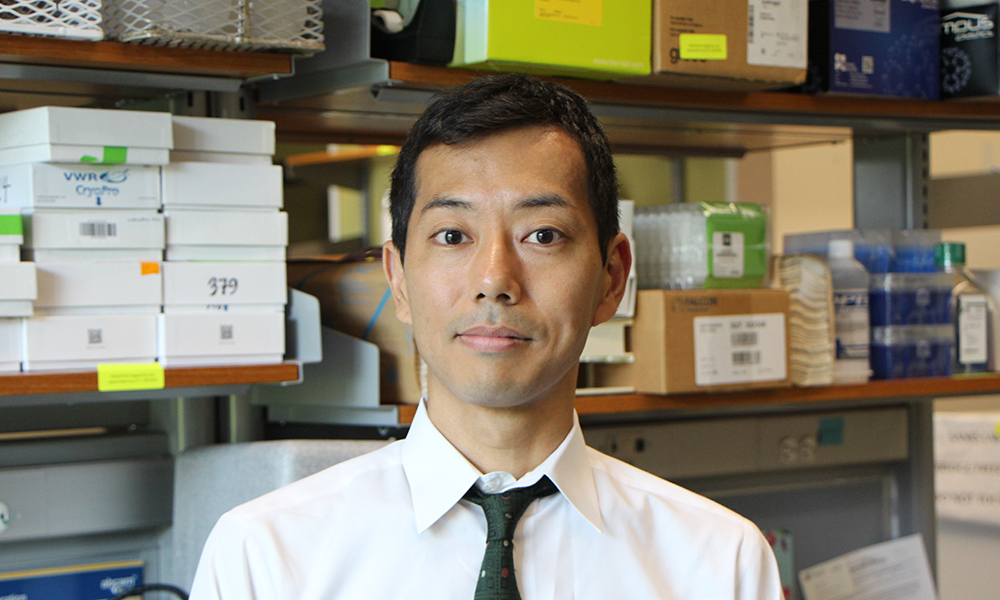
A new study co-led by MCB’s Kazuki Nagashima and published in Science Immunology (PDF) identifies plant-derived molecules that help quiet the immune system, preventing inflammatory reactions to the…
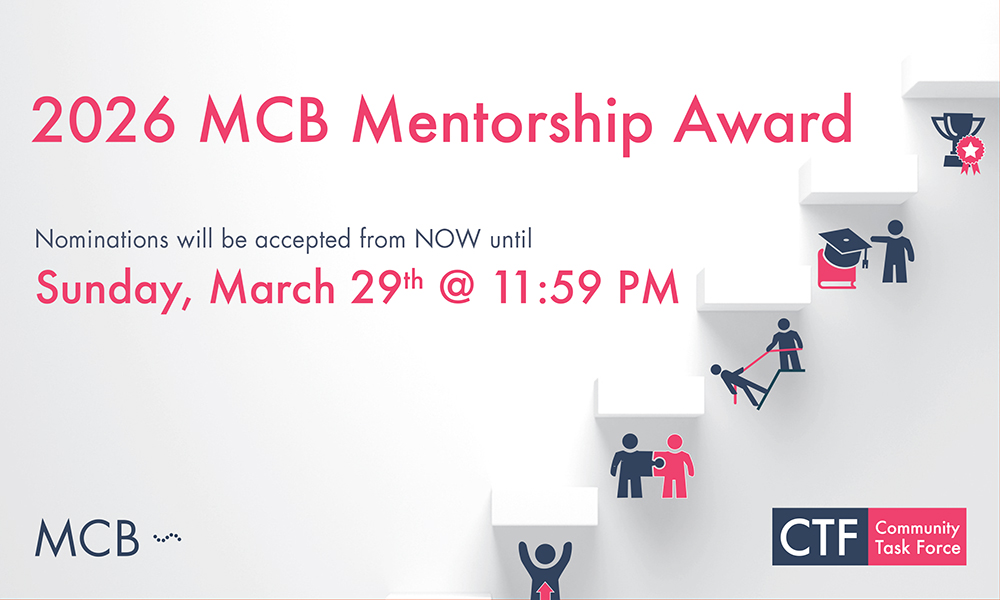
The MCB Community Task Force (CTF) is excited to announce that nominations for the 2026 MCB Mentorship Award are now open! This annual award recognizes individuals within the…
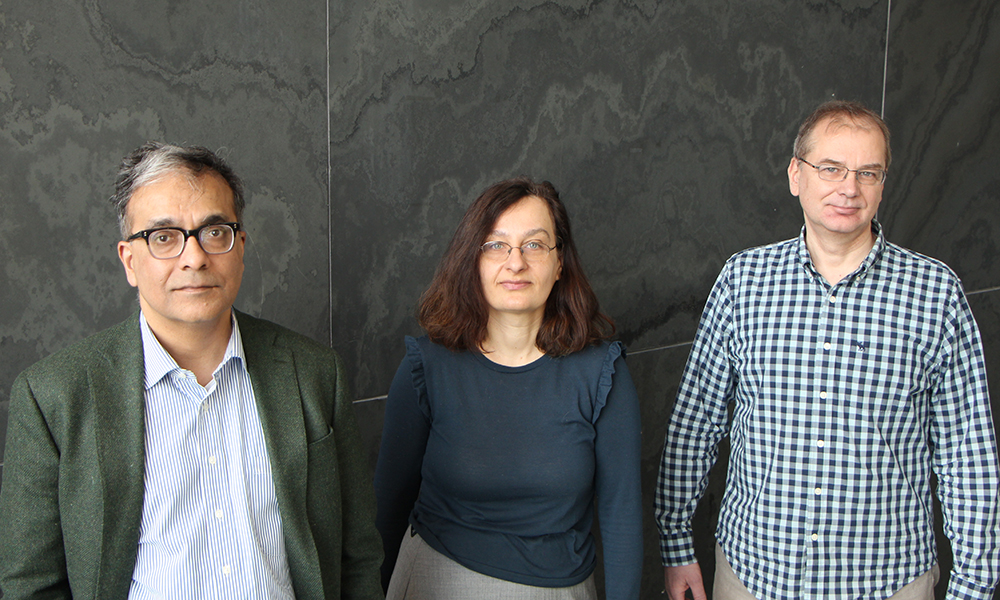
Two new papers published in PNAS from the lab of Aravinthan Samuel shine fresh light on one of biology’s most iconic molecular machines: the bacterial flagellar motor. Although…
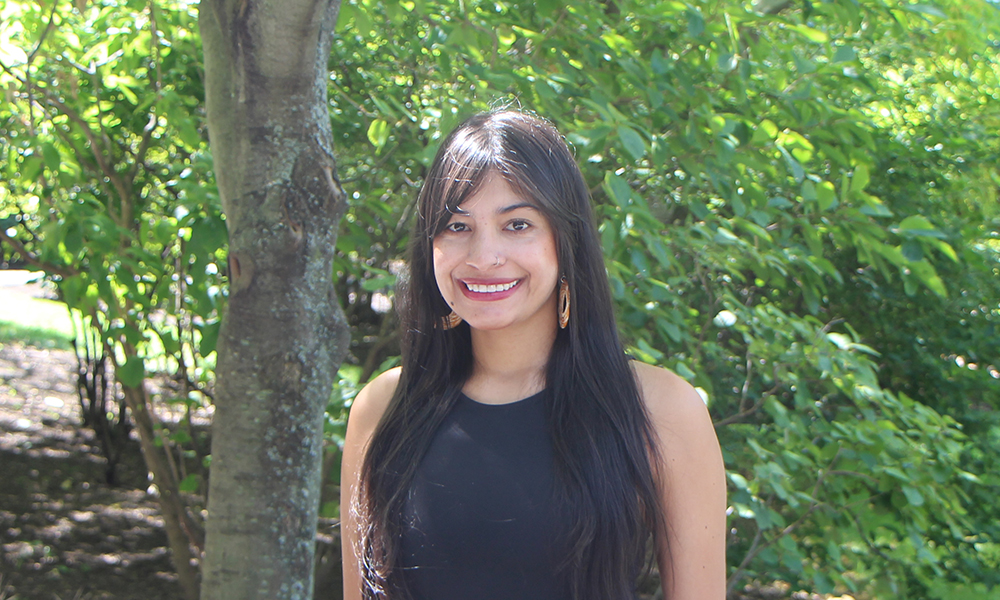
Wendy Valencia Montoya has been named a recipient of the prestigious 2026 Harold M. Weintraub Award in recognition of her doctoral thesis, an ambitious and interdisciplinary body of…
In a new study published in Cell Reports, (PDF) researchers from the labs of MCB’s Florian Engert and Mark Fishman of the Department of Stem Cell and Regenerative…
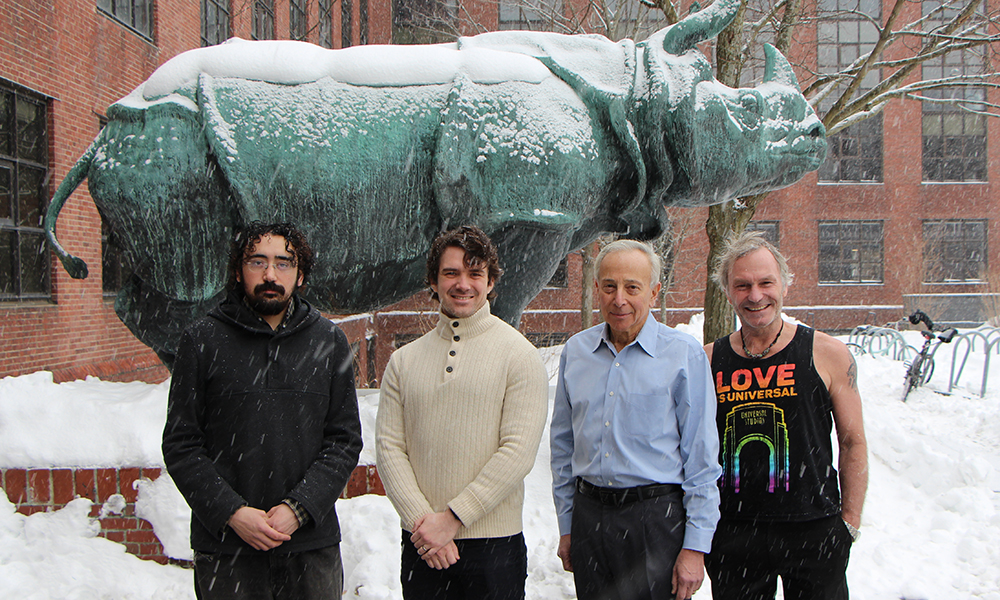
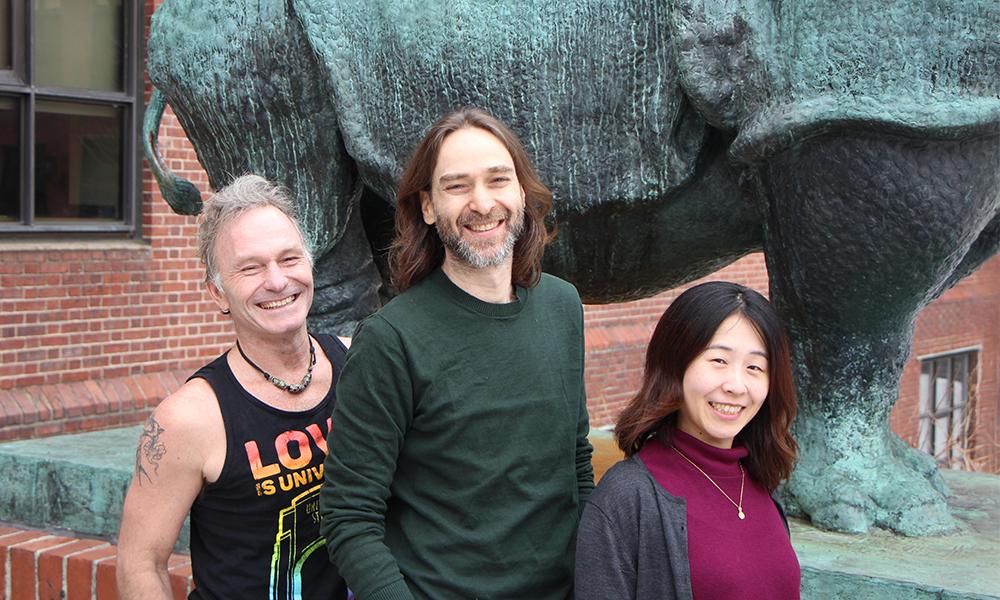
A school of fish can look like a single, flowing organism—dozens of bodies turning and aligning in near-perfect synchrony. But that seamless choreography emerges from many individual animals…
Ryan Nett, MCB assistant professor, has been named a recipient of the 2025–27 George W. Merck Fellowship. Awarded annually to outstanding tenure-track faculty, the prestigious two-year fellowship provides…
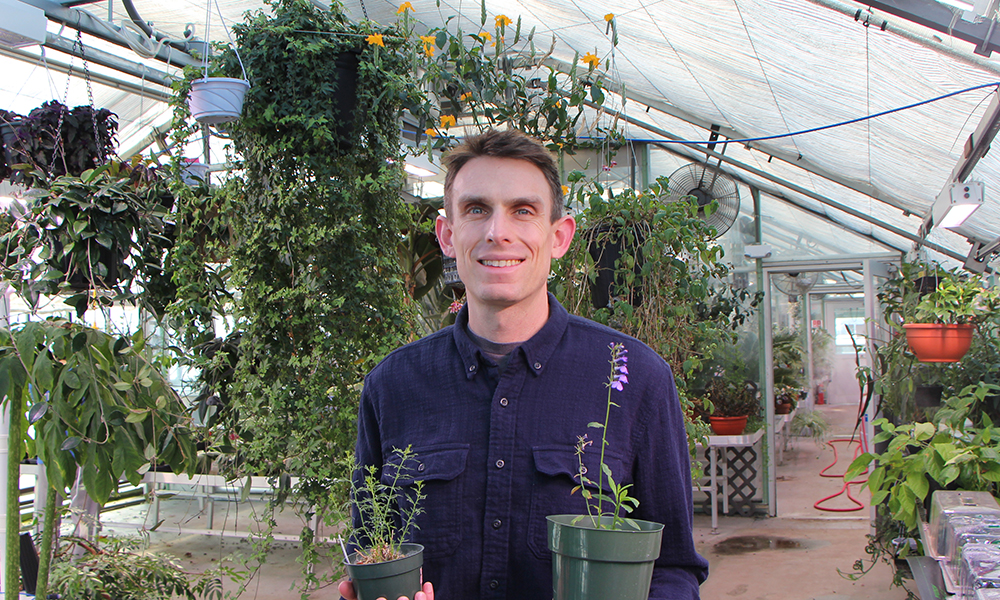
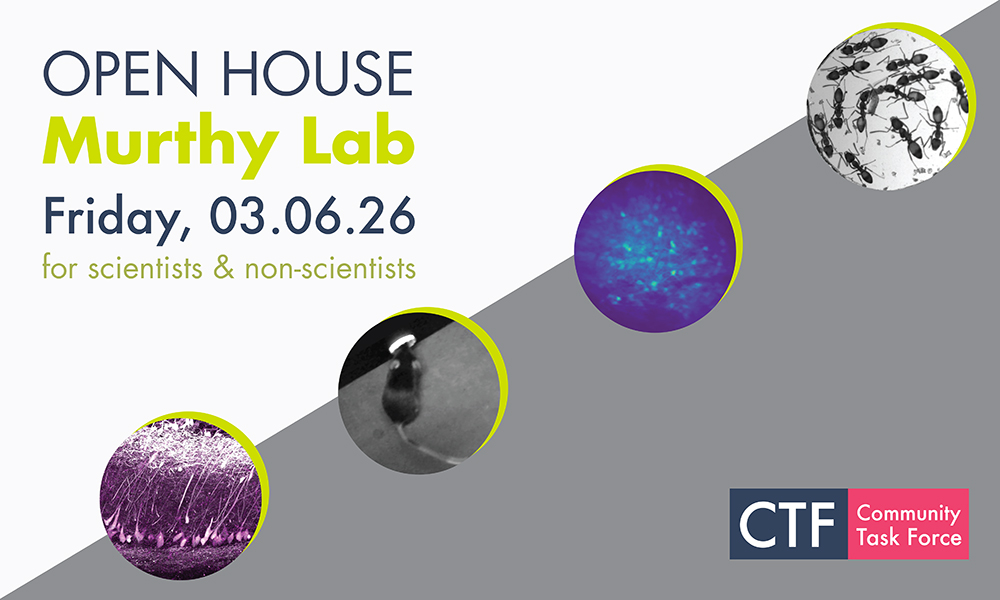
On March 6, the lab of MCB’s Venkatesh Murthy will open its doors to the Harvard community for a special Lab Open House, offering visitors an inside look…
The Department of Molecular and Cellular Biology is pleased to announce this year’s Paul Doty Lecture, featuring renowned chromosome biologist Kazuhiro Maeshima of Japan’s National Institute of Genetics…